Understanding Mini Split Air Conditioners
As the demand for efficient and versatile cooling solutions continues to rise, mini split air conditioner have emerged as a preferred choice for both homeowners and businesses. Unlike traditional HVAC systems, mini split systems provide flexibility in cooling individual rooms or spaces, making them an excellent option for a variety of settings.
What is a Mini Split Air Conditioner?
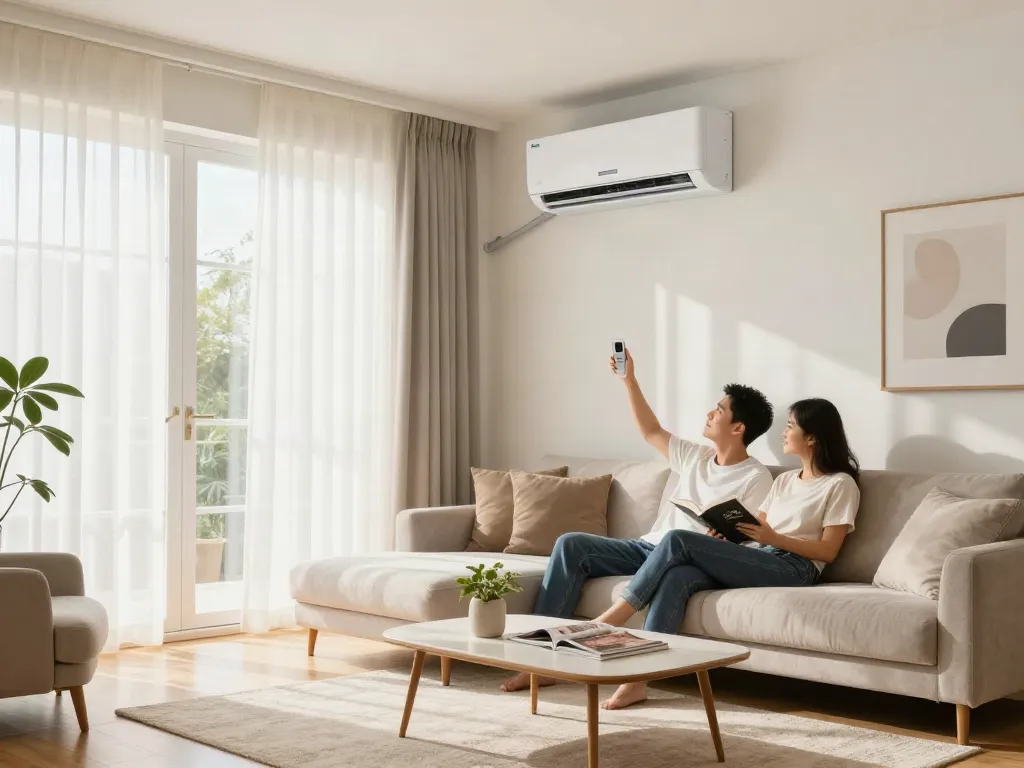
A mini split air conditioner, commonly referred to as a ductless system, consists of two primary components: an outdoor compressor unit and one or more indoor units. This setup allows for targeted cooling in specific areas of a home or building without the need for ductwork. The indoor units are compact and can be mounted on walls or ceilings, providing both functionality and aesthetic appeal.
How Mini Split Systems Work
Mini split systems operate on a heat pump technology that transfers heat rather than generating it. During the cooling season, the system absorbs heat from the indoor air and releases it outside, thereby cooling the interior. Conversely, in winter, the process can be reversed, allowing the system to provide heating. This dual functionality makes mini splits a versatile option for year-round climate control.
Benefits of Using Mini Split Air Conditioners
- Energy Efficiency: Mini splits consume less energy compared to traditional systems, often resulting in lower utility bills.
- Zone Control: Individual indoor units can be controlled separately, allowing residents to customize temperatures in different areas of their homes.
- Easy Installation: Without the need for ductwork, installation is typically quicker and less invasive.
- Quiet Operation: Mini split systems are generally quieter than traditional air conditioning units, providing a more comfortable environment.
Installing Your Mini Split Air Conditioner
Choosing the Right Location for Installation
The placement of your mini split system is critical for optimal performance. Ideally, the indoor unit should be installed in a central location to ensure even air distribution. Considerations such as the room layout, potential obstructions, and proximity to the outdoor unit should be taken into account during this phase.
Step-by-Step Installation Process
- Prepare the Area: Clear the space where the indoor unit will be mounted.
- Mount the Indoor Unit: Securely attach the indoor unit to the wall, ensuring it is level.
- Drill a Hole for the Line Set: Create a small hole for the refrigerant lines and electrical wiring to pass through.
- Install the Outdoor Unit: Place the outdoor unit on a sturdy base and connect it to the indoor unit using the line set.
- Connect Electrical Wiring: Follow manufacturer instructions to safely connect the units to power.
- Test the System: Once everything is connected, turn on the system and check for leaks or issues.
Common Installation Challenges and Solutions
While installing a mini split system is generally straightforward, several challenges may arise. Common issues include refrigerant leaks, improper wiring, and inadequate drainage. To address these, it’s advisable to consult the installation manual thoroughly and, when in doubt, seek professional assistance to ensure the system is set up correctly.
Maintaining Your Mini Split Air Conditioner
Regular Maintenance Tips and Best Practices
Maintaining your mini split air conditioner is essential for ensuring its longevity and efficiency. Here are some tips to keep your system running smoothly:
- Clean the Filters: Regularly clean or replace air filters to maintain airflow and indoor air quality.
- Inspect Drain Lines: Ensure that drain lines are clear to prevent water overflow and mold growth.
- Check Refrigerant Levels: Monitor refrigerant levels, as low levels can impair the system's performance.
Identifying and Troubleshooting Common Issues
Some common issues with mini split systems include insufficient cooling, unusual noises, and error codes on the remote control. Identifying these early can save you from costly repairs. For instance, if cooling is inadequate, check the filters and refrigerant levels before calling a technician.
When to Call a Professional Technician
While routine maintenance can often be handled by the homeowner, issues such as electrical malfunctions or major refrigerant leaks should be addressed by a licensed professional. It’s also advisable to schedule annual maintenance checks to ensure your system remains in peak condition.
Comparing Mini Split Air Conditioners to Other Cooling Options
Mini Split vs. Central Air Conditioning
When comparing mini split systems to central air conditioning, it’s essential to consider factors such as installation costs, energy efficiency, and zoning capabilities. While central systems may have lower upfront costs for large homes, mini splits provide superior flexibility and energy savings, especially in smaller spaces.
Understanding Portable Air Conditioners
Portable air conditioners offer a temporary cooling solution and can be moved from room to room. However, they usually require venting through a window and can be less efficient compared to mini splits. For long-term use, mini split systems offer more robust performance.
Cost-Efficiency of Mini Split Systems
Although the initial investment in a mini split air conditioner may be higher than that of a portable unit, the long-term savings on energy bills and maintenance make them a cost-effective choice over time. Additionally, many utility companies offer rebates for energy-efficient systems, further offsetting costs.
The Future of Mini Split Air Conditioners
Emerging Trends in HVAC Technology for 2026
The HVAC industry is continuously evolving, with trends such as smart home integration, programmable thermostats, and improved energy efficiency becoming increasingly prevalent. Mini split systems are at the forefront of these innovations, combining user-friendliness with advanced technology for enhanced comfort.
Energy Efficiency and Sustainability Features
Modern mini split air conditioners often come equipped with energy-saving features such as inverter technology and eco-friendly refrigerants. These advancements not only reduce energy consumption but also contribute to a smaller carbon footprint, making them an environmentally responsible choice.
Future-Proofing Your Home's Cooling Solutions
Investing in a mini split air conditioner is a strategic move for homeowners looking to future-proof their cooling solutions. With advancements in HVAC technology and a growing emphasis on energy efficiency, mini splits represent a forward-thinking choice that caters to diverse climatic needs.
What are the top benefits of mini split air conditioners?
Mini split systems provide numerous benefits, including energy efficiency, customizable zoning, quiet operation, and ease of installation. These factors make them suitable for a wide range of applications, from residential to commercial settings.
How much does it cost to install a mini split system?
The installation cost of a mini split air conditioner can vary based on factors such as the system size, brand, and local labor rates. On average, homeowners can expect to pay between $2,000 and $5,000 for a complete installation.
Are mini split air conditioners energy efficient?
Yes, one of the standout features of mini split systems is their energy efficiency. They typically have higher SEER (Seasonal Energy Efficiency Ratio) ratings than traditional units, leading to lower energy bills.
Can I install a mini split system myself?
While some homeowners may opt for DIY installation, it’s recommended to hire a professional unless you have experience with HVAC systems. Proper installation is crucial for ensuring optimal performance and compliance with local regulations.
What maintenance does a mini split air conditioner require?
Regular maintenance for mini split systems includes cleaning the filters, checking refrigerant levels, and inspecting the unit for any signs of wear or damage. Annual professional servicing is also advisable to keep the system running efficiently.